In much of the Western world, the region was viewed primarily as a source of capital rather than a source of talent, innovation, or long term market opportunity. That perception has steadily changed, not because of rhetoric, but because of execution. Ambitious initiatives launched by Gulf leadership were followed through with discipline, institution building, and a serious investment in human capital. Over time, skills matured, capabilities compounded, and the region began to assert itself as a dynamic global hub offering real growth potential and opportunity for people from all backgrounds.
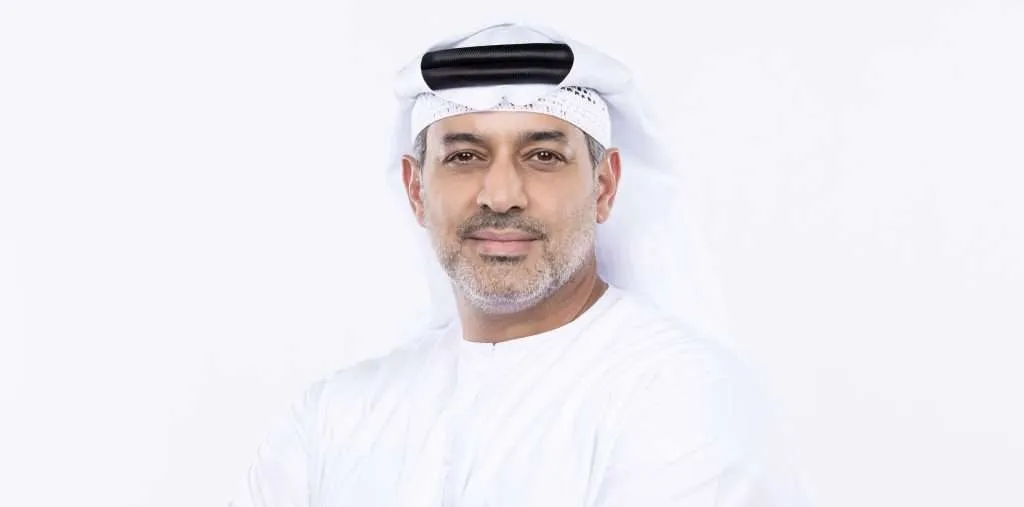
Faisal Belhoul sees this evolution as structural rather than cosmetic. The Gulf today is not copying external models wholesale. Instead, it is synthesizing best practices from the West while developing its own competitive advantages. These include rapid decision making, a strong entrepreneurial mindset, openness, inclusivity, and a deep respect for foundational values and principles. What truly differentiates the region is its ability to attract global talent that does not merely arrive to work, but arrives to stay. People commit their capital, energy, and long term future because they feel welcomed, empowered, and at home. That depth of commitment creates a durable advantage that continues to compound.
Legacy, in Faisal’s view, is not a question that appears early in a career. In the early stages, the focus is on building, learning, and proving oneself. Only once impact becomes tangible does the idea of legacy begin to take shape. Over time, clarity emerges around how one wishes to be remembered and what they truly stand for. For him, legacy is not about recognition or visibility. It is about alignment and leaving behind something that reflects one’s values and beliefs rather than simply one’s achievements.
When reflecting on the forces that shaped his journey beyond what appears on a professional profile, Faisal points first to faith. Faith, for him, is not abstract. It is a practical source of determination, resilience, acceptance, and clarity in the face of challenge. Alongside this is a deep belief in the power of a parent’s prayers and the importance of caring for family. These values form a foundation that quietly influences decision making and personal growth. He also draws inspiration from leadership, particularly the resilience, perseverance, and commitment to society demonstrated by those who lead at the highest levels. These influences rarely appear on resumes, but they shape outcomes in meaningful ways.
Faisal does not describe himself as someone who always identified as an entrepreneur. There was no defining early moment or school age business venture. What existed instead was a consistent habit of questioning processes and imagining better ways of doing things. This became clearer early in his professional life while working in the family business. Even with limited experience, he found himself identifying inefficiencies and challenging the status quo. For him, entrepreneurship is not about labels or timing. It is about perspective and curiosity.
On global investment trends, Faisal is clear that MENA investors are not behind the curve. Awareness is not the issue. Execution is. The real differentiator is who moves decisively, commits resources with conviction, and has the courage to act on long term opportunities. The UAE’s sustained investment in technology and artificial intelligence reflects a belief in the future rather than a reaction to trends. Investors who share this mindset are increasingly aligning their strategies in similar ways.
His experience in private equity reflects a pragmatic understanding of market realities. When Ithmar Capital was founded in the early two thousands, the opportunity was clear. The region was growing, private equity was underserved, and family businesses were facing succession challenges. Over time, however, structural constraints became evident. The availability of relatively inexpensive bank financing and mismatches between owner valuation expectations and institutional return requirements limited deal flow. Rather than forcing capital into a narrow structure, Faisal expanded into other private market verticals including venture capital and real estate. This allowed for greater flexibility and access to a broader range of opportunities.
Healthcare investing is another area often misunderstood. While it is frequently viewed as defensive and inherently profitable, the reality is far more complex. Healthcare is capital intensive, operationally demanding, and requires deep expertise. Profitable outcomes are possible, but only when executed by the right operators under disciplined structures.
Decision making, for Faisal, begins with calm. Being grounded and at peace internally creates clarity under pressure. Acceptance, a principle rooted in faith, allows individuals to work constructively within their circumstances rather than resisting them. Combined with physical health, adequate rest, and a strong support system of family and trusted advisors, this mindset becomes a quiet competitive advantage.
Joining Shark Tank Dubai was not the result of a calculated media strategy. It began as an invitation and became a considered decision after reflection and consultation with trusted advisors. The question was whether the initiative aligned with his values and whether it could create a positive impact on entrepreneurship and society. Looking back, the experience has been deeply rewarding, particularly in seeing its influence on younger generations and the broader ecosystem.
When asked about breakout investments from the show, Faisal remains measured. Early stage ventures take time and outcomes cannot be rushed. Several companies are progressing well, and there are larger initiatives under discussion that may significantly accelerate growth. For now, he prefers to let results speak in due course.
Beyond business, Faisal speaks warmly about Emirati cuisine and the importance of greater appreciation for it both locally and globally. He credits the Gulf’s rich seafood tradition and simple, nourishing meals as something he genuinely enjoys.
He also describes his relationship with his father as foundational. Working alongside him early in his career provided trust, freedom, and space to learn through experience. The ability to make mistakes, reflect, and grow within that environment played a significant role in shaping who he is today.
On life partnerships, Faisal believes that success is rarely achieved alone. Family, life partners, and close friends provide the emotional stability and strength necessary to navigate both business and life. A strong support system allows individuals to become the best version of themselves.
When asked to nominate others for the Take the L interview series, Faisal named leaders shaping the future of the region across policy, innovation, and capital. It was a reminder that ecosystems are built through networks of trust, long term vision, and shared responsibility rather than individual effort alone.
- H.E. Khalfan Juma Belhoul – CEO, Dubai Future Foundation
- H.E. Helal Saeed Al Marri – Director General, Dubai Department of Economy and Tourism & Dubai World Trade Centre Authority
3. Muhammad Abdulghaffar Hussain – Founder & Managing Partner, Crescent Coast